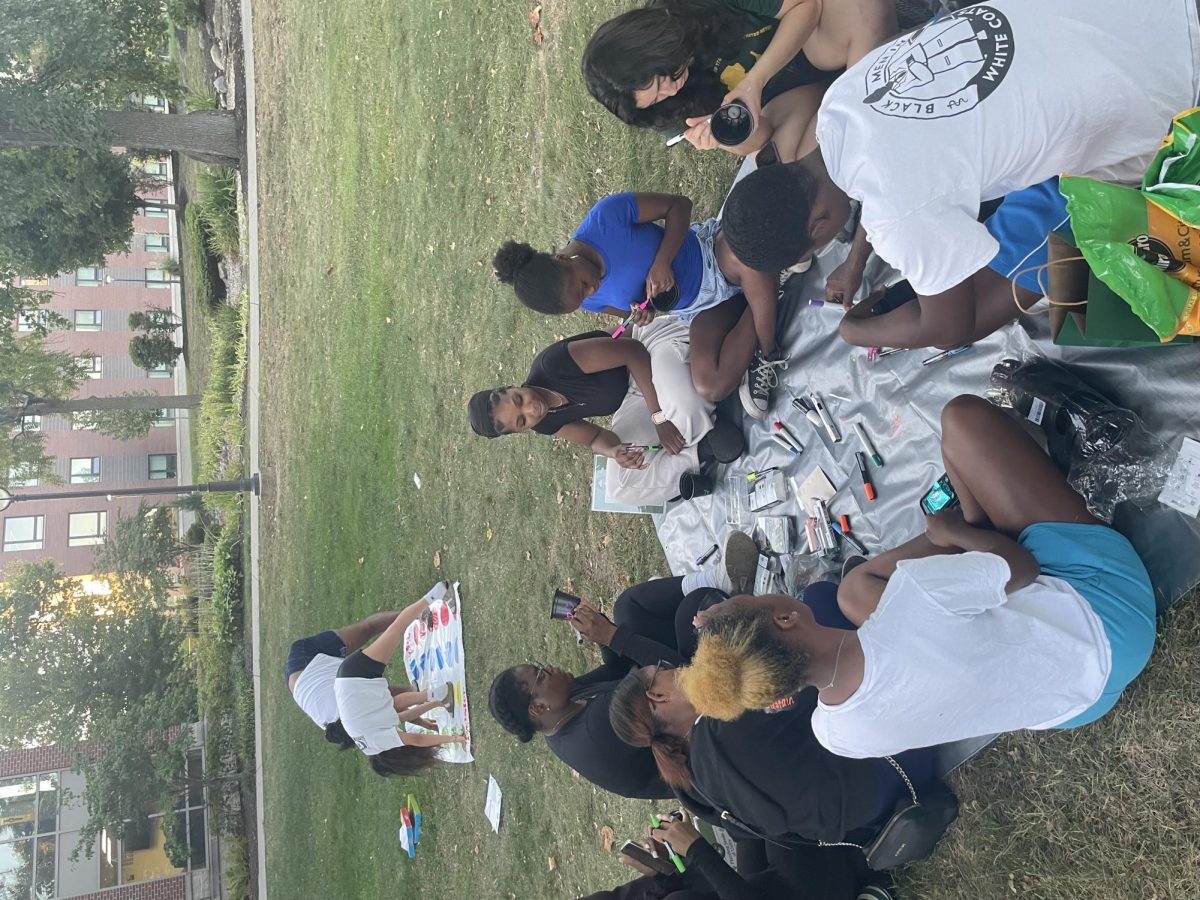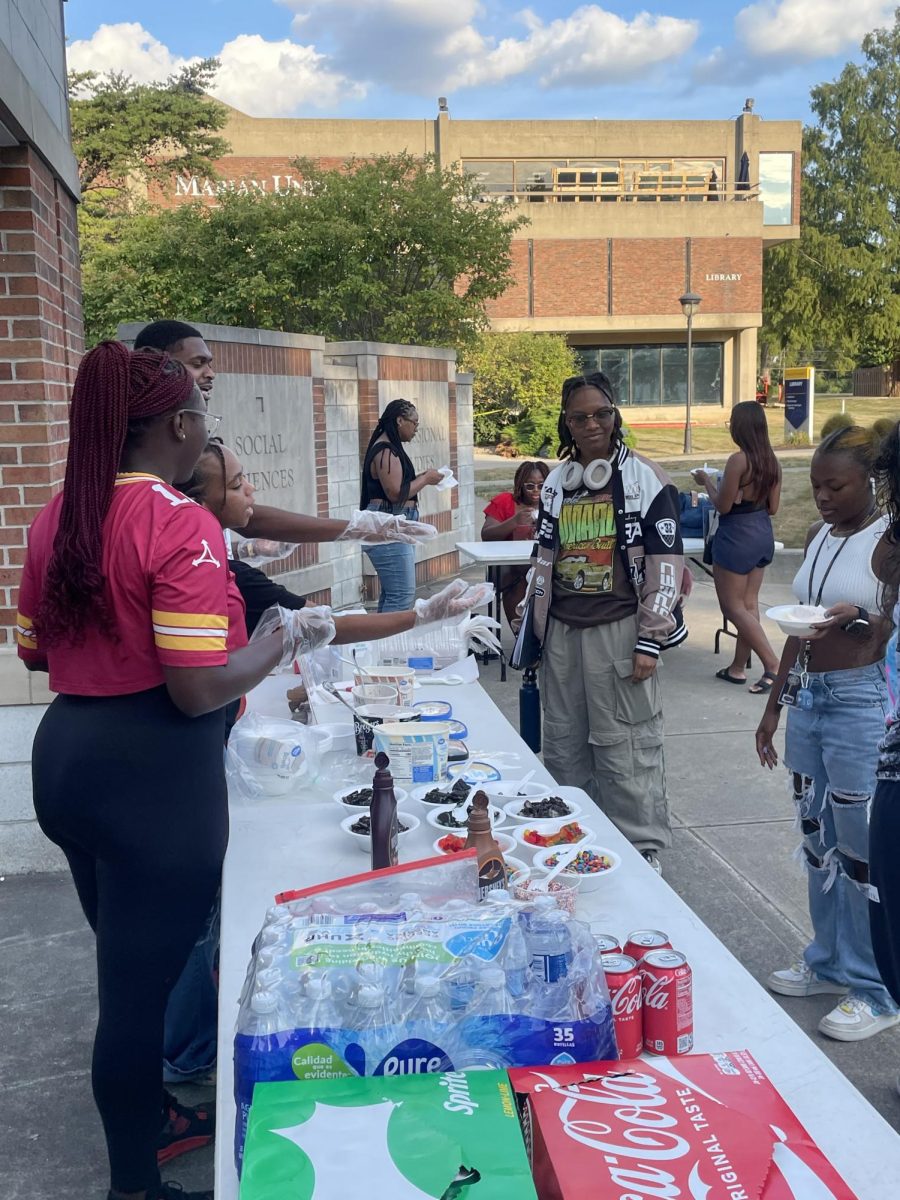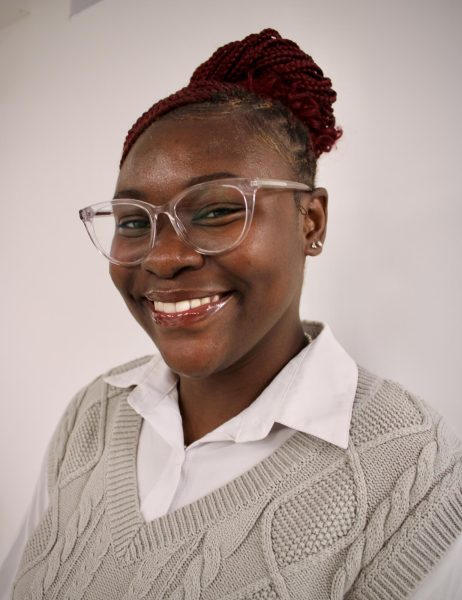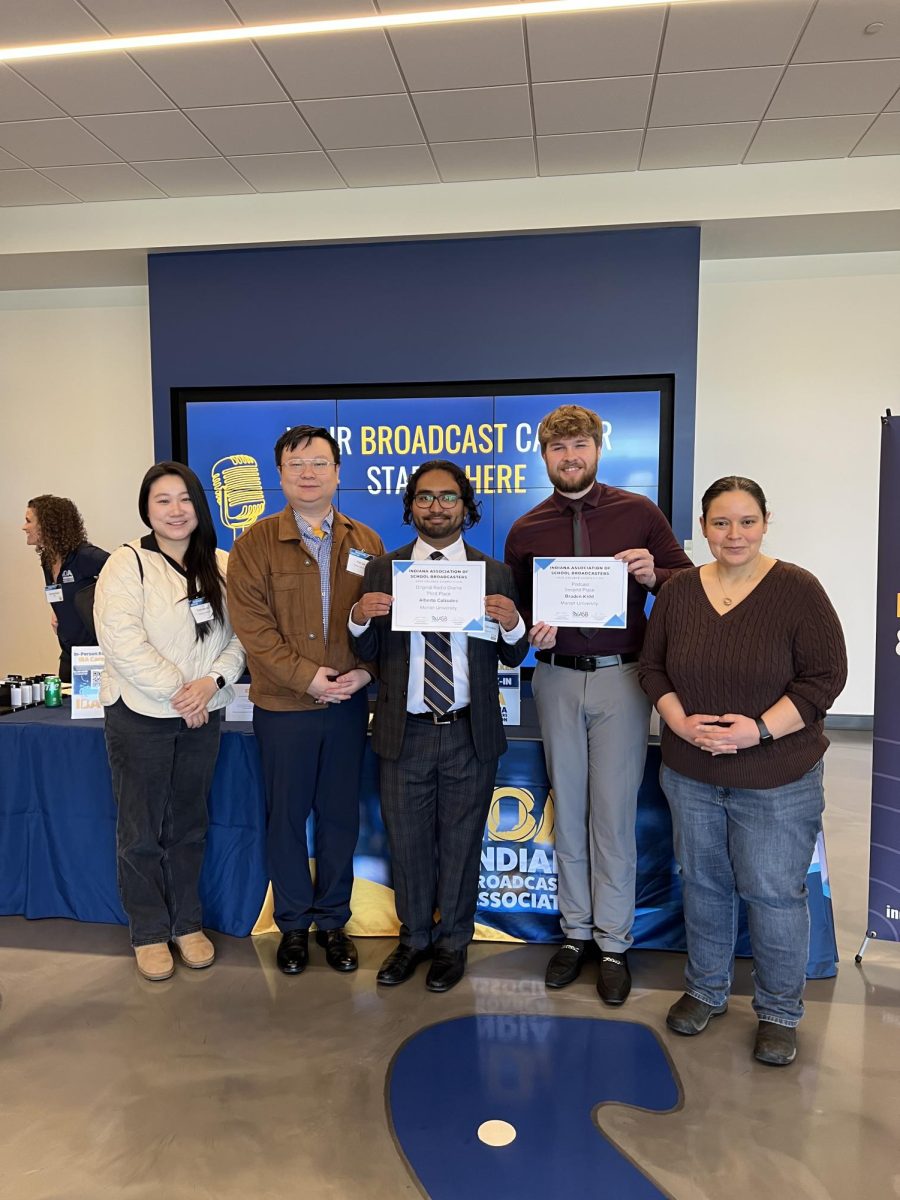
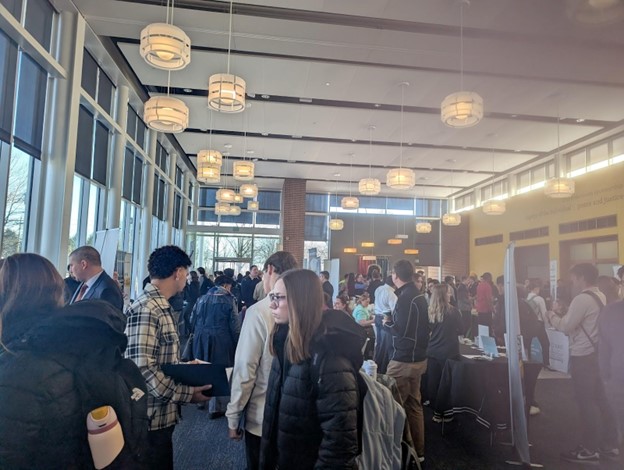

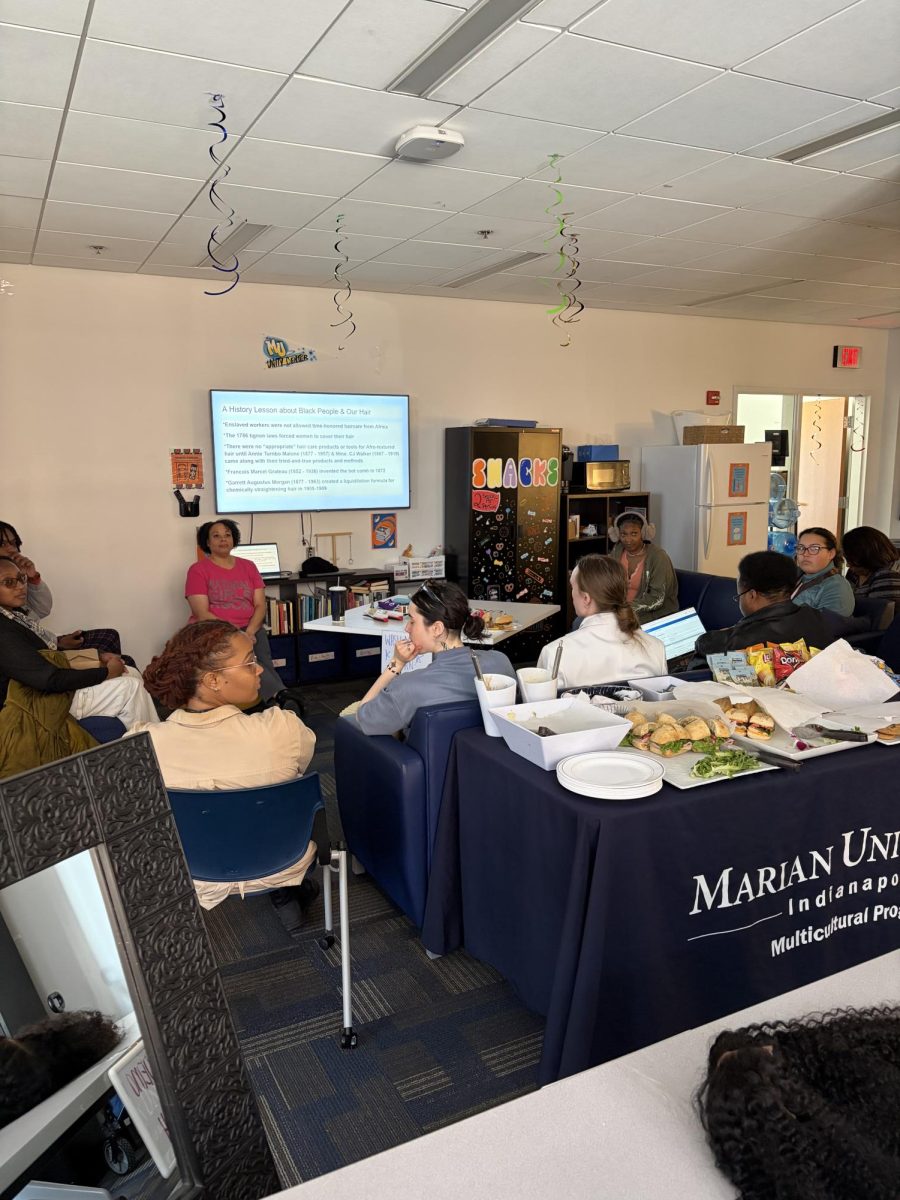

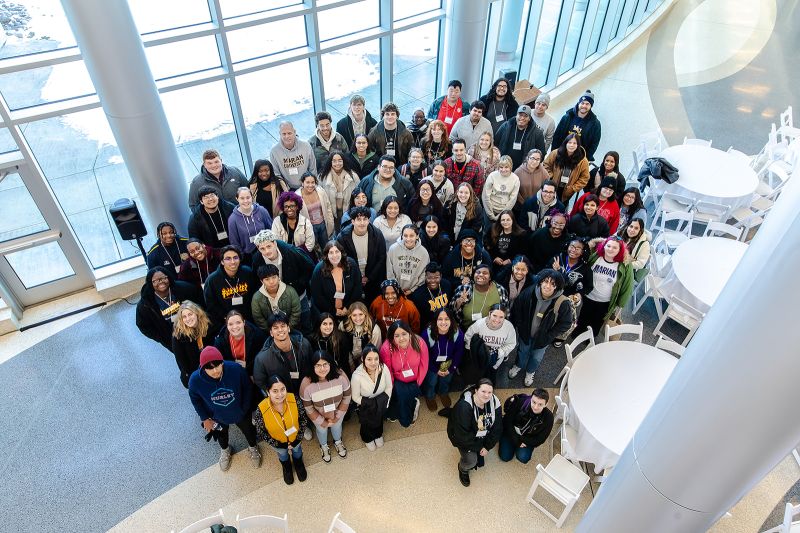


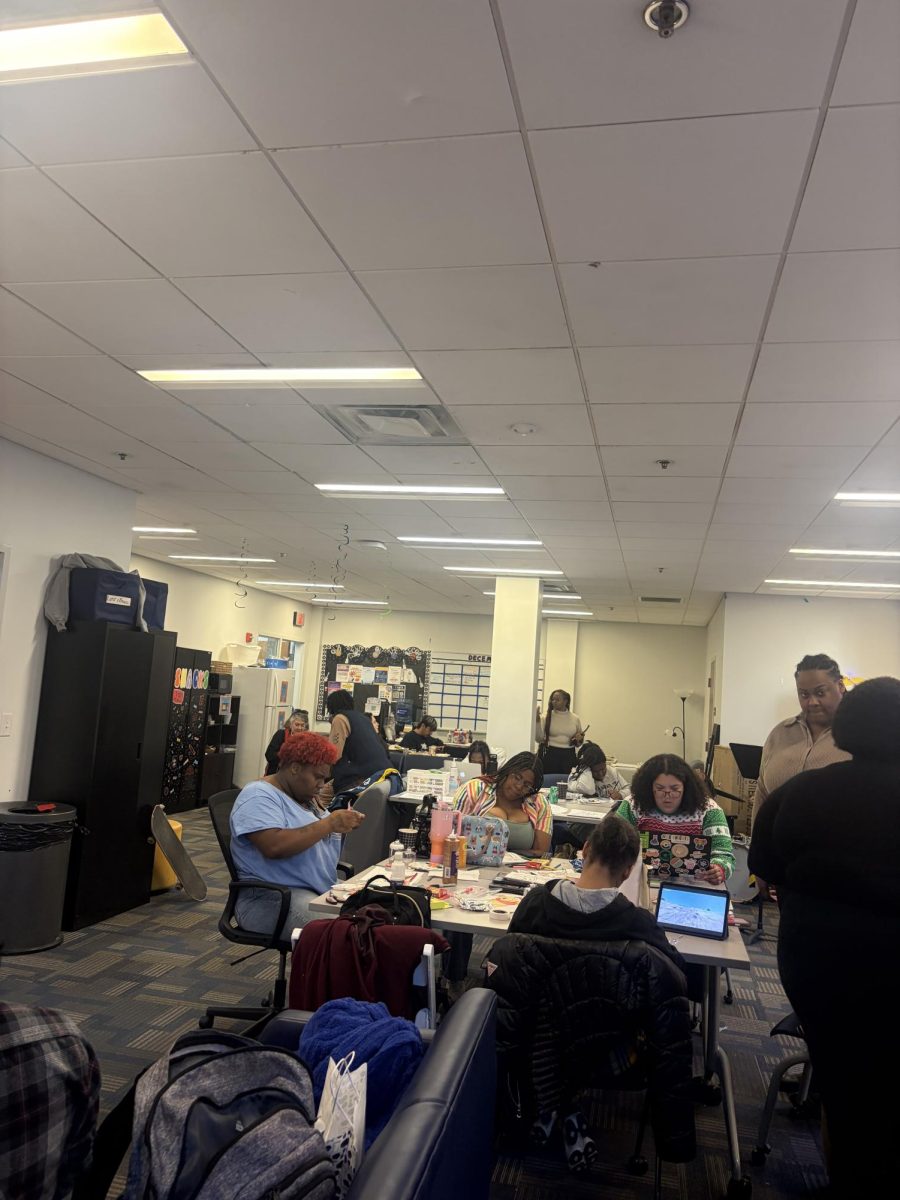


The Unity Center hosted a natural hair education program Feb. 10 from 3 to 5 p.m., bringing students together to share techniques, personal experiences and cultural knowledge about caring for natural hair.
Facilitated by Ms. Edan, the event encouraged students to teach one another through hands-on demonstrations, offering tips, routines and styling guidance in a collaborative environment.
The program, held in honor of Black History Month, also highlighted the cultural and historical significance of natural hair in Black communities. Edan discussed what it means to be African American in the United States and emphasized the importance of self-expression through hair. She also introduced students to the CROWN Act and its impact.
The CROWN Act, which stands for “Creating a Respectful and Open World for Natural Hair
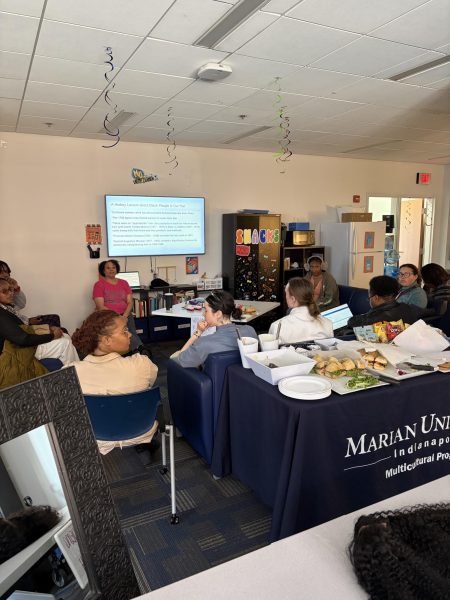
,” is legislation that prohibits discrimination based on hair texture and protective hairstyles commonly associated with people of African descent. First passed in California in 2019, the law has since been adopted in multiple states and cities. A federal version has been introduced in Congress but has not yet been enacted nationwide.
Before the passage of the CROWN Act, individuals were often penalized for wearing natural hairstyles. Students faced suspension, and employees were denied jobs or terminated because their hair was labeled “unprofessional” or “distracting.” The law aims to address policies that disproportionately target Black individuals by protecting hairstyles such as afros, braids, twists, Bantu knots and locs in schools, workplaces and housing.
Beyond legislation, the event explored the deeper cultural meaning of hair. In many African societies prior to slavery, hairstyles communicated identity, including tribe, age, marital status, religion and social standing. Hair was not only a form of expression but also an art form.
During the 1960s and 1970s, natural hairstyles—particularly the Afro—became symbols of Black pride and resistance. Movements such as the Black Panther Party and the broader Civil Rights and Black Power movements encouraged embracing natural hair as a rejection of Eurocentric beauty standards. Wearing natural hair became both a personal and political statement.
The event featured multiple stations where students demonstrated different hair care techniques. Presenters included Angelica Smith (locs), Lyric Williams (twists), Blessing Malunga (protective styles), Tori Williams (cornrows), Airiah Woodfin (wig installation), Sydney Borom (hair coloring) and Zion Woods (barbering).
“Being able to share my hair journey and the process it took to understand my hair with my peers means a lot to me,” Malunga said. “We share our culture and pride together, and I want to help make it an enjoyable process as much as possible.”
Woodfin also reflected on the experience.
“To be able to show up for my community by teaching a collaborative ‘how-to’ on wig installations gave me a touching memory to hold on to,” Woodfin said. “I was able to represent my crown by showing how I can protect it while also switching up my look. Beauty means a lot to me, and being able to share my talents to help others feel confident was a beautiful moment.”
The program also acknowledged the historical trauma connected to Black hair. During slavery in the United States, enslaved Africans were often forced to shave their heads as a means of stripping away identity and culture. Today, reclaiming natural hair is closely tied to reclaiming heritage, dignity and self-expression.