









INDIANAPOLIS — New federal regulations issued under the Trump administration are prompting changes across higher education institutions, including Marian University, as schools move to comply with updated guidance restricting language tied to diversity, equity, and inclusion, gender identity, and social justice.
As of early 2026, federal agencies — including the U.S. Department of Health and Human Services and the Office of Head Start — have implemented guidance limiting or discouraging the use of nearly 200 terms related to DEI, gender, race and climate science in official documents, grant applications and public communications. The administration has described the targeted terminology as promoting what it calls “woke ideology.”
An anonymous source told The Marian Phoenix that failure to comply with the guidance could place institutions at risk of losing federal funding, prompting universities nationwide to revise policies, programming and organizational materials.
At Marian University, students and faculty say the regulations have affected multiple departments and student organizations as the university works to align campus programming with federal requirements and Marian’s Franciscan values.
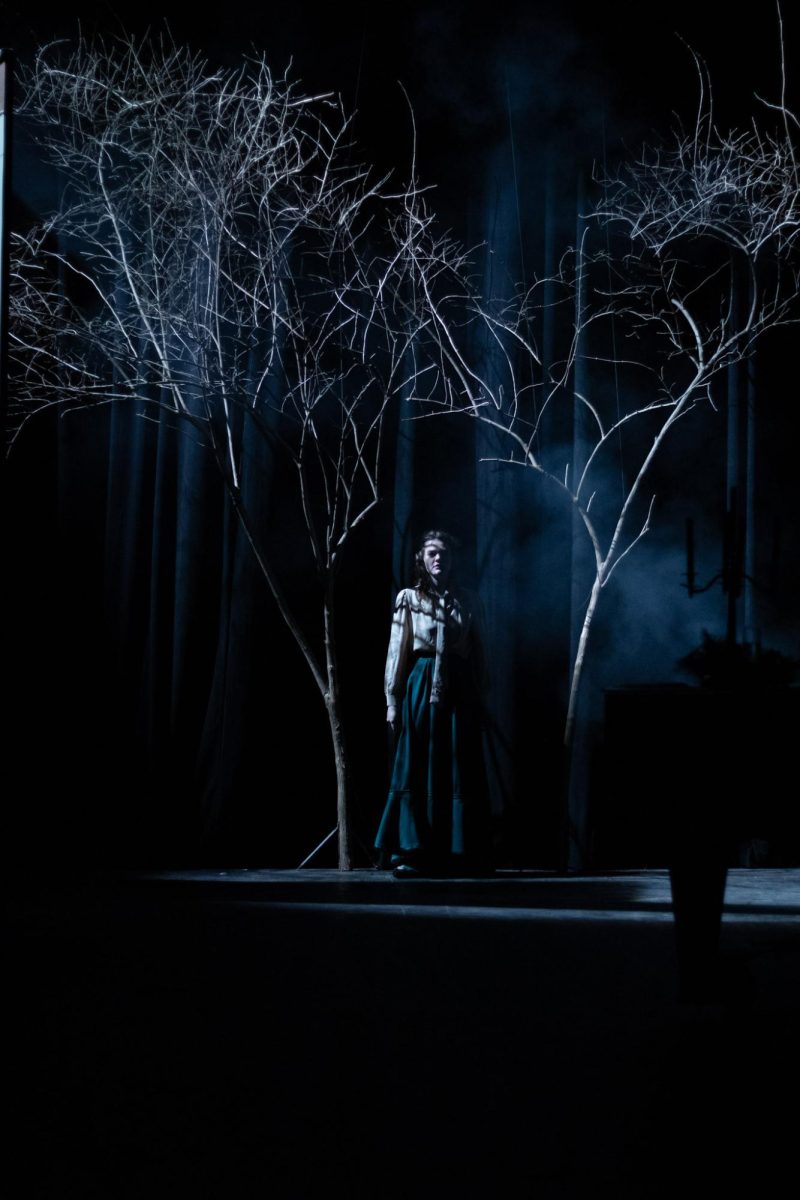
One visible impact has emerged within the university’s upcoming production of Sister Act, scheduled to run April 17–19. According to multiple cast members, certain language and themes have been altered or removed from the script to meet the new restrictions.
“Words like ‘damn,’ ‘hell’ and references related to the LGBTQ+ community are being censored or rephrased,” one actor said. “We’re being told it’s to make the production appropriate for all audiences and to stay aligned with federal regulations and Franciscan values.”
An additional anonymous source said future musical productions may be required to focus on fantasy-based or religious themes, further narrowing the range of acceptable performance material.
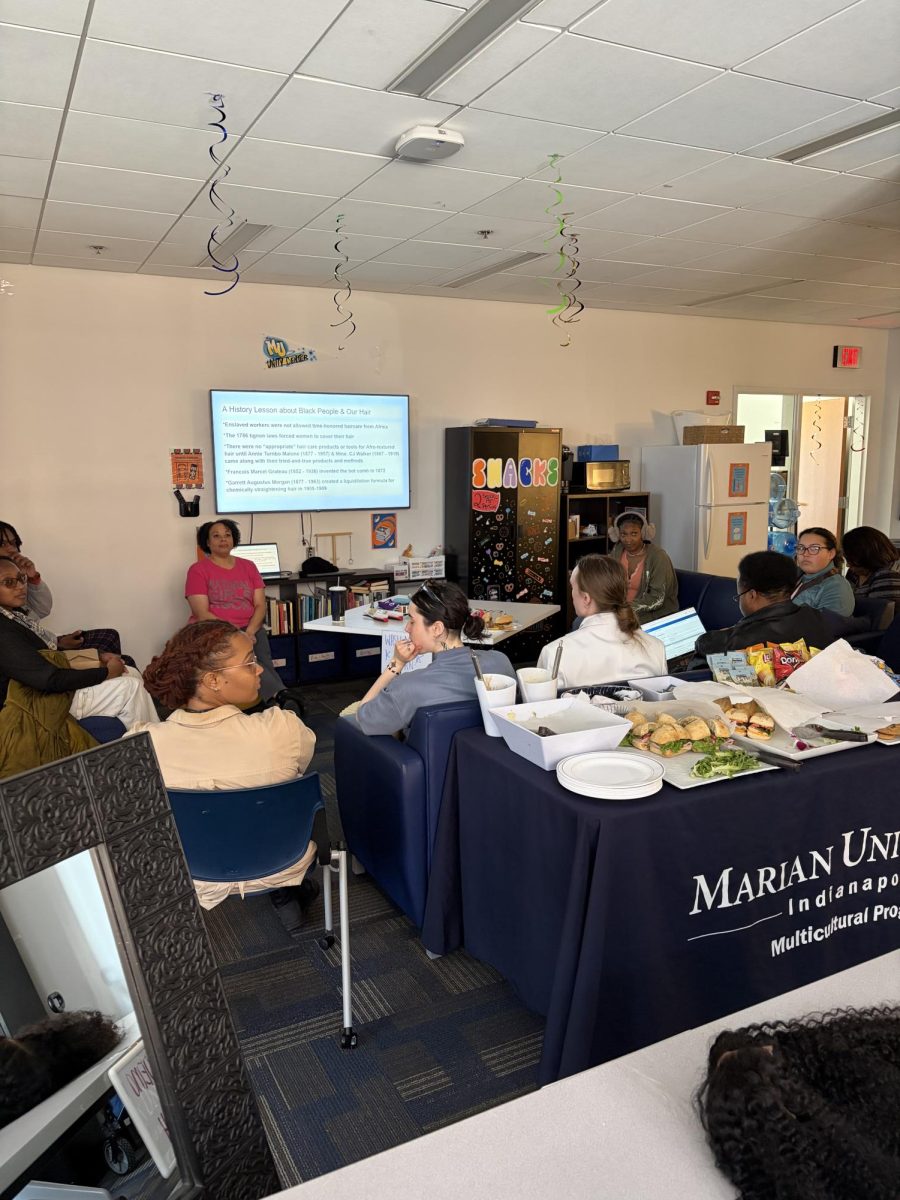
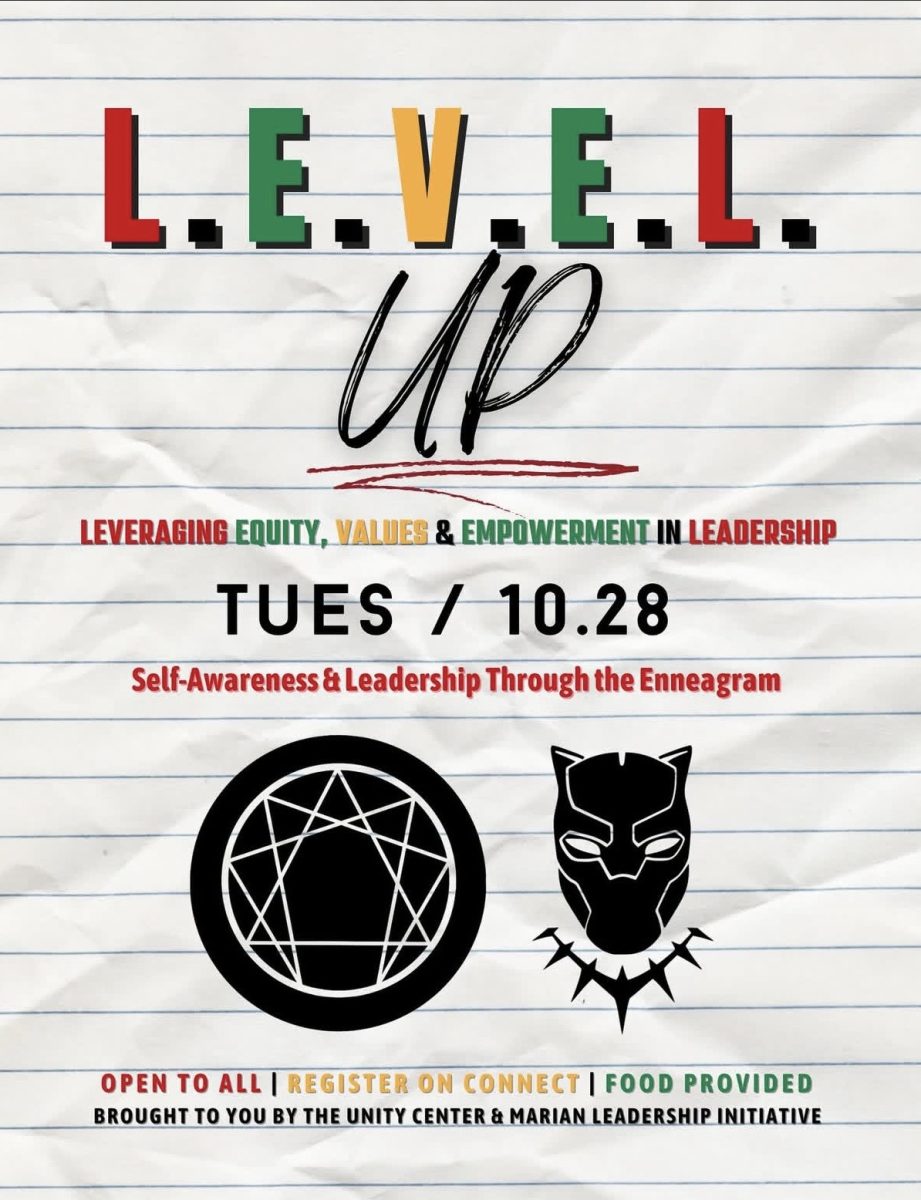
Students report similar changes beyond the theatre department. Several identity-based student organizations — including the Union for Black Identity, the Student Organization of Latinos and the National Alliance on Mental Illness — have reportedly been required to revise their constitutions to remove culturally identifying language and terminology associated with DEI.
“They had to completely rewrite their governing documents,” one student said. “Language tied to cultural identity, mental health advocacy or social justice was removed so it wouldn’t be seen as alienating other students or conflicting with Franciscan values.”
Federal guidance restricts language connected to DEI, gender identity, race, social justice, mental health and environmental issues. Terms that agencies have discouraged include “equity,” “systemic racism,” “LGBTQ+,” “gender identity,” “pronouns,” “multicultural,” “disability,” “mental health” and “climate change.” In many federal documents, agencies have been directed to replace the term “gender” with “sex” and remove inclusive gender markers.
The policies primarily affect federal grants, contracts and funding requests. Head Start programs were instructed in late 2025 to remove restricted terminology from applications, raising concerns among educators and administrators about broader implications for higher education funding.
Marian University officials have not released a formal statement outlining campuswide policy changes. Students, however, report increased administrative emphasis on aligning academics, arts programming and student involvement with the university’s Catholic and Franciscan mission.
“We’re seeing Franciscan values emphasized much more heavily across all departments,” one student said. “It feels like everything is being filtered through that lens, especially because of the risk of losing federal funding.”
Some students expressed concern that the changes could limit free expression and representation, particularly for marginalized communities.
“When identities and lived experiences are removed from scripts, organizations or official language, it sends a message about whose voices are valued,” another student said.
Others acknowledged the university’s position, citing the challenge of balancing federal compliance, institutional mission and student expression.
“It’s complicated,” one student said. “The school has to protect its funding, but students also deserve spaces where they feel represented and heard.”
As federal agencies continue enforcing the language guidelines, students and faculty anticipate ongoing discussion about the impact of the policies on higher education, artistic expression and student life at Marian University.